
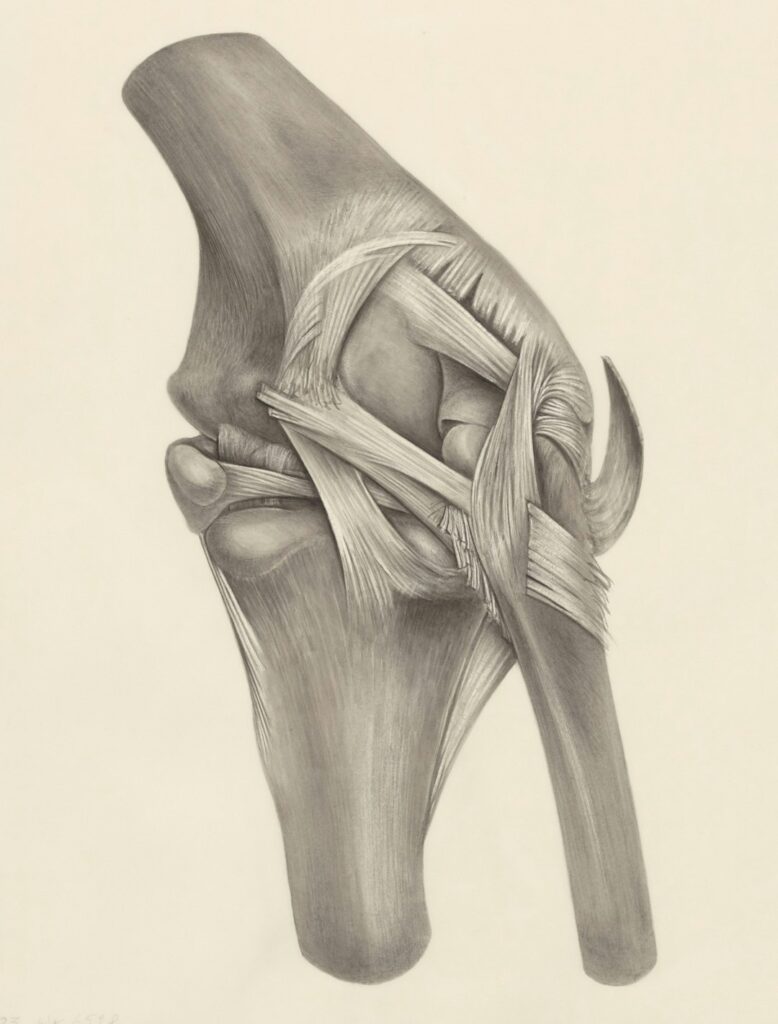
Joint noises are common, and most are not a sign that something is being damaged. A knuckle, knee, ankle, shoulder, or spinal joint may pop because of pressure changes in joint fluid, movement of tendons or ligaments, or changes in the joint’s surfaces.
For residents of Yonkers, NY, questions about cracking joints often come up after shoveling snow, carrying items up stairs, exercising, sitting for long periods, or noticing new sounds during everyday movement. The sound itself usually matters less than the symptoms that accompany it.
Why do joints crack and pop?
A distinct crack often comes from a rapid change in pressure inside a synovial joint. Synovial joints contain lubricating fluid, and that fluid holds dissolved gases. When the joint is stretched or moved in a particular way, the joint surfaces can separate quickly enough to create a temporary gas-filled cavity. That event can produce the familiar popping sound.
This is different from a repeated clicking, snapping, or grinding sensation. Those sounds may be caused by:
- A tendon or ligament moving over a nearby structure
- Rough or uneven cartilage surfaces
- The kneecap shifting during bending
- A tendon briefly catching and releasing
- Changes related to a previous injury
- Normal movement of the joint’s supporting tissues
A single pop does not identify the cause by itself. The location, timing, and presence of pain provide more useful information.
Does cracking your knuckles cause arthritis?
Available research has not established that habitual knuckle cracking causes osteoarthritis. People may crack their knuckles frequently without developing arthritis, and many people with arthritis do not crack their knuckles.
The belief likely persists because arthritis can cause joint noises, especially in the knees, hips, hands, and spine. In that situation, the noise is a symptom of changes within the joint rather than proof that cracking caused the condition.
Forceful or repetitive manipulation is a separate issue. Pulling, twisting, or bending a joint beyond a comfortable range can irritate muscles, ligaments, or other tissues even if it does not cause arthritis. A painless, occasional pop is generally less concerning than a painful maneuver performed repeatedly.
Why does a joint feel looser after it cracks?
Some people notice temporary relief or a feeling of increased movement after a joint pops. Several factors may contribute:
- Stretching can briefly reduce muscle tension around the joint.
- Movement may stimulate sensory receptors that affect how discomfort is perceived.
- The joint may move through a range that had felt restricted.
- Attention may shift away from an area that felt stiff.
The sound does not mean that a bone has been put back into place. Joints do not generally need to be “reset” simply because they make noise. A pop can occur without a meaningful change in alignment, and the absence of a pop does not mean a joint is stuck.
Is cracking the neck or back dangerous?
Neck and back sounds can also result from pressure changes, tendon movement, or contact between joint surfaces. A painless sound during ordinary movement is often harmless. However, repeatedly forcing the neck into rotation or extension is not a good way to manage discomfort.
Extra caution is appropriate if neck cracking is accompanied by:
- New or severe neck pain
- Numbness, tingling, or weakness in an arm or hand
- Dizziness, fainting, vision changes, or unusual headache
- Loss of balance or difficulty walking
- Pain after a fall, collision, or sudden impact
These symptoms need medical attention rather than repeated self-manipulation. Rare but serious problems can present with sudden neurological symptoms, so unusual symptoms should not be dismissed as a normal cracking response.
What does knee grinding or popping mean?
Knee noise is common, particularly when standing from a chair, climbing stairs, squatting, or walking on uneven ground. A painless clicking or mild crackling may reflect normal movement of soft tissues or changes in pressure within the joint.
Grinding becomes more relevant when it appears with pain, swelling, warmth, locking, giving way, or reduced ability to bend or straighten the knee. For example, a knee that pops painlessly while walking is different from a knee that swells after activity and catches when rising from a chair.
Seasonal activities can make these symptoms more noticeable. Snow removal, icy sidewalks, prolonged indoor sitting, and sudden increases in weekend exercise can place more demand on the knees and hips than usual. Gradual conditioning and avoiding abrupt increases in activity may reduce irritation.
When should joint cracking be checked?

Joint noise deserves evaluation when it is new, persistent, or connected to a change in function. Important warning signs include:
- Pain that does not settle with rest and normal movement
- Noticeable swelling, redness, or warmth
- A joint that locks, catches, or repeatedly gives way
- Loss of strength or range of motion
- Symptoms beginning after a fall, twist, or collision
- Fever or feeling generally unwell along with a swollen joint
- Numbness, tingling, or weakness
- Pain that regularly interrupts sleep
Urgent care is appropriate after a significant injury when a joint looks deformed, cannot bear weight, or cannot be moved normally. Sudden weakness, facial drooping, trouble speaking, severe dizziness, or a sudden unusual headache also require emergency attention.
Can stretching or exercise reduce joint noises?
Exercise may reduce stiffness and improve control around a joint, but it does not need to eliminate every sound. Stronger muscles can help distribute loads more effectively, while gradual mobility work may make movement feel smoother.
Useful general habits include:
- Warm up before vigorous activity.
- Increase walking, lifting, or recreational exercise gradually.
- Use controlled movements instead of forcing a joint to pop.
- Take movement breaks during long periods of sitting.
- Strengthen the muscles that support the hips, knees, shoulders, and trunk.
- Stop an exercise that causes sharp pain, instability, or repeated catching.
For people spending more time indoors during cold weather, short movement breaks can be more practical than one intense workout. Gentle walking, mobility exercises, and normal household activity may help limit stiffness without provoking irritated tissues.
How can someone tell whether a crack is harmless?
A joint sound is more likely to be a normal mechanical noise when it is occasional, painless, and not associated with swelling, weakness, instability, or loss of movement. A sound becomes more significant when it is consistently painful, follows an injury, or is accompanied by functional changes.
The key question is not simply, “Why did it crack?” It is, “What else is happening?” Tracking when the sound occurs, what movement triggers it, and whether symptoms follow can help distinguish a harmless noise from a problem that deserves assessment.
Joint cracking is usually a description of movement, not a diagnosis. Paying attention to pain, swelling, strength, stability, and function provides a much clearer picture of joint health than the sound alone.
