
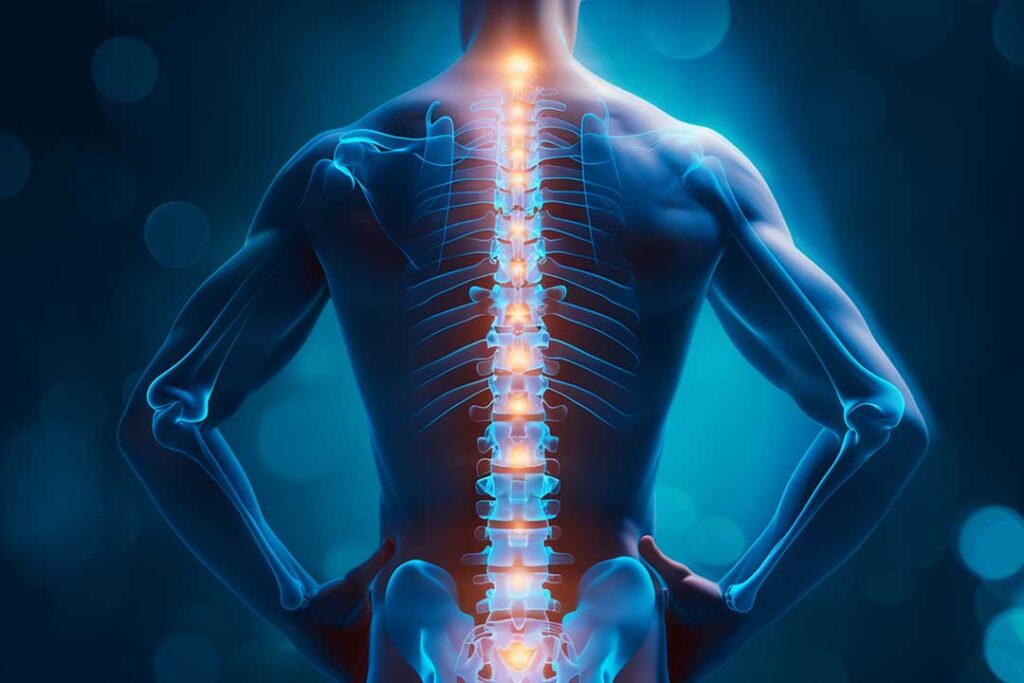
Sports injuries can affect professional athletes, weekend runners, school-age players, and people who exercise at home. In Yonkers, NY, seasonal changes, indoor training, outdoor recreation, and busy daily schedules can all influence how an injury develops and how quickly someone returns to activity.
Chiropractic care may help with certain muscle, joint, and movement-related problems, particularly when it is combined with appropriate exercise and activity changes. It is not a substitute for emergency care, imaging, surgery, concussion management, or treatment of serious injuries.
What types of sports injuries may respond to chiropractic care?
Chiropractic treatment is most relevant to injuries involving muscles, joints, and movement patterns rather than major structural damage. Examples may include uncomplicated low-back pain, some neck or mid-back strains, joint stiffness, overuse-related discomfort, and certain mobility problems involving the hips, shoulders, or extremities.
A sports injury may occur after a sudden event, such as a fall or awkward landing, or develop gradually through repeated loading. A recreational runner might notice increasing knee or hip discomfort, while a basketball player may experience back stiffness after repeated jumping and twisting.
An evaluation typically considers:
- Where the pain began and whether it is spreading
- The movement that caused or worsened symptoms
- Strength, range of motion, balance, and coordination
- Previous injuries and training changes
- Numbness, tingling, weakness, swelling, or instability
- Whether the symptoms suggest a need for medical referral
The purpose is not simply to “put something back into place.” A useful assessment should identify what movements are limited, what activities are aggravating the problem, and whether the injury falls within the scope of conservative care.
How might chiropractic care support recovery?
Chiropractic care may support recovery by reducing movement restrictions, improving short-term comfort, and helping a person return gradually to normal activity. Treatment may include spinal or joint mobilization, manual therapy, soft-tissue techniques, mobility exercises, strengthening, and guidance about modifying activity.
Spinal manipulation is one form of manual care. Evidence is strongest for selected cases of nonspecific low-back pain, where it may provide modest improvements in pain and function. Research does not show that manipulation is a universal treatment for every sports injury, and benefits should be weighed alongside exercise and other appropriate care. ([nccih.nih.gov](https://www.nccih.nih.gov/health/low-back-pain-and-complementary-health-approaches-what-you-need-to-know?utm_source=openai))
For an athlete, improved movement can make everyday tasks easier before full sports participation is possible. For example, a person with back pain may first work toward comfortable walking, bending, and getting dressed. Sport-specific drills come later, once basic movements are tolerated.
Why are exercises and activity changes usually part of care?
Manual treatment alone does not rebuild strength, coordination, endurance, or confidence. Rehabilitation exercises help the injured area tolerate the demands that caused the problem in the first place.
A practical plan may progress through stages such as:
- Gentle movement to prevent excessive stiffness
- Controlled strengthening of the affected area
- Balance or coordination work
- Gradual increases in walking, running, lifting, or jumping
- Sport-specific practice at reduced intensity
- Return to full participation only when symptoms and function permit
Someone recovering from an ankle injury may need to regain balance and single-leg control, not merely reduce swelling. A swimmer with shoulder pain may need to address shoulder-blade control, trunk strength, and training volume. The exercise plan should match the injury, age, fitness level, and demands of the activity.
Pain is useful information during recovery. Mild, temporary soreness after exercise may be acceptable in some situations, but sharp pain, increasing swelling, new weakness, or symptoms that continue to worsen should prompt a reassessment.
Can chiropractic care help prevent sports injuries?
It may help identify modifiable risk factors, but no treatment can guarantee injury prevention. Prevention depends on several elements, including adequate conditioning, sleep, technique, warm-up habits, recovery time, equipment, and gradual changes in training volume.
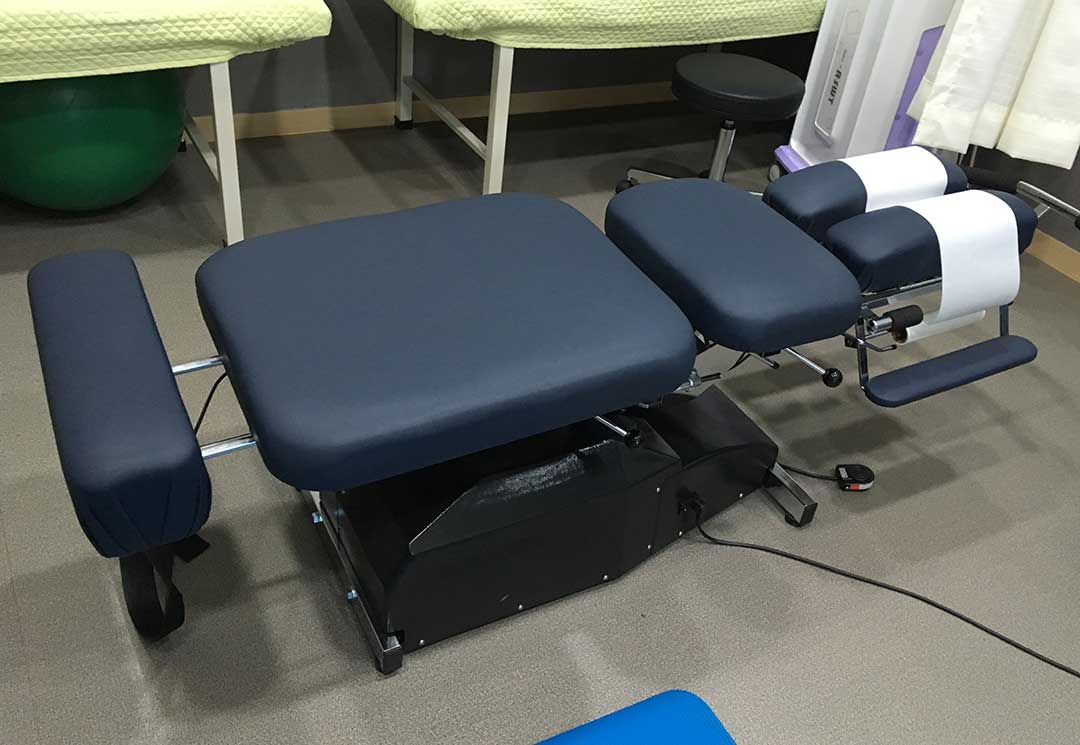
A movement assessment may reveal limited ankle mobility, poor hip control, reduced trunk endurance, or side-to-side strength differences. These findings can guide exercises, but they do not automatically prove that a particular weakness caused an injury.
Prevention advice is especially relevant during seasonal transitions. A person who becomes more active outdoors after spending winter indoors may need to increase running, cycling, or recreational sports gradually rather than returning immediately to a previous level. Slippery surfaces, uneven sidewalks, and cold-weather muscle stiffness can also affect balance and movement in the local community.
When is chiropractic care not the right first step?
Certain symptoms require urgent medical evaluation rather than routine manual treatment. Examples include suspected fractures, major ligament tears, dislocations, severe swelling, inability to bear weight, progressive weakness, loss of bladder or bowel control, or numbness in a concerning pattern.
A head impact is a separate concern. Chiropractic treatment should not be used to clear an athlete to return to play after a possible concussion. The CDC recommends a supervised, stepwise return-to-sports process after healthcare-provider approval. Each stage generally takes at least 24 hours, and the athlete should move backward in the progression if symptoms return. ([cdc.gov](https://www.cdc.gov/heads-up/guidelines/returning-to-sports.html?utm_source=openai))
Emergency warning signs after a head injury can include worsening headache, repeated vomiting, seizure, increasing confusion, unusual behavior, difficulty waking, weakness, or slurred speech. These symptoms require immediate medical attention.
Is spinal manipulation safe after a sports injury?
Safety depends on the person, the injury, the body region being treated, and the technique used. Temporary soreness, stiffness, headache, or increased discomfort can occur after manipulation or mobilization. Serious complications are rare, but potential risks should be discussed, particularly when the neck is involved or when a person has underlying health conditions. ([nccih.nih.gov](https://www.nccih.nih.gov/health/spinal-manipulation-what-you-need-to-know?6df6a1c6_page=3&85de4c3e_page=2&utm_source=openai))
A complete history should include recent trauma, osteoporosis, cancer, blood-clotting problems, neurological symptoms, medications, pregnancy, and previous surgeries. Forceful treatment may be inappropriate when the diagnosis is uncertain or when symptoms suggest a more serious condition.
People should also be cautious about claims that chiropractic care can heal fractures, repair torn tissue without rehabilitation, or eliminate the need for medical evaluation. Those statements go beyond what evidence supports.
How long should recovery take?
Recovery time varies widely. A mild muscle strain may improve over days to several weeks, while tendon problems, ligament injuries, stress injuries, and recurrent conditions may require a longer rehabilitation period.
A better measure of progress than pain alone is function. Useful questions include:
- Can normal walking be done without compensation?
- Is the injured joint moving through a practical range?
- Can strength exercises be completed with good control?
- Does the person tolerate sport-specific activity?
- Do symptoms remain stable later that day and the next morning?
Returning too quickly because pain has temporarily decreased can cause setbacks. Returning too slowly can also lead to deconditioning and fear of movement. A gradual plan that considers symptoms, strength, coordination, and the demands of the sport is usually more informative than a fixed calendar date.
For local residents, the most appropriate role of chiropractic care is often as one part of a broader recovery plan. Clear diagnosis, sensible activity modification, progressive exercise, and timely referral when warning signs appear matter more than any single technique.
